
Contact Us:

+1844-498-8364

active Get a Quote

Can Dirty Air Ducts Make You Sick? The Science Behind It

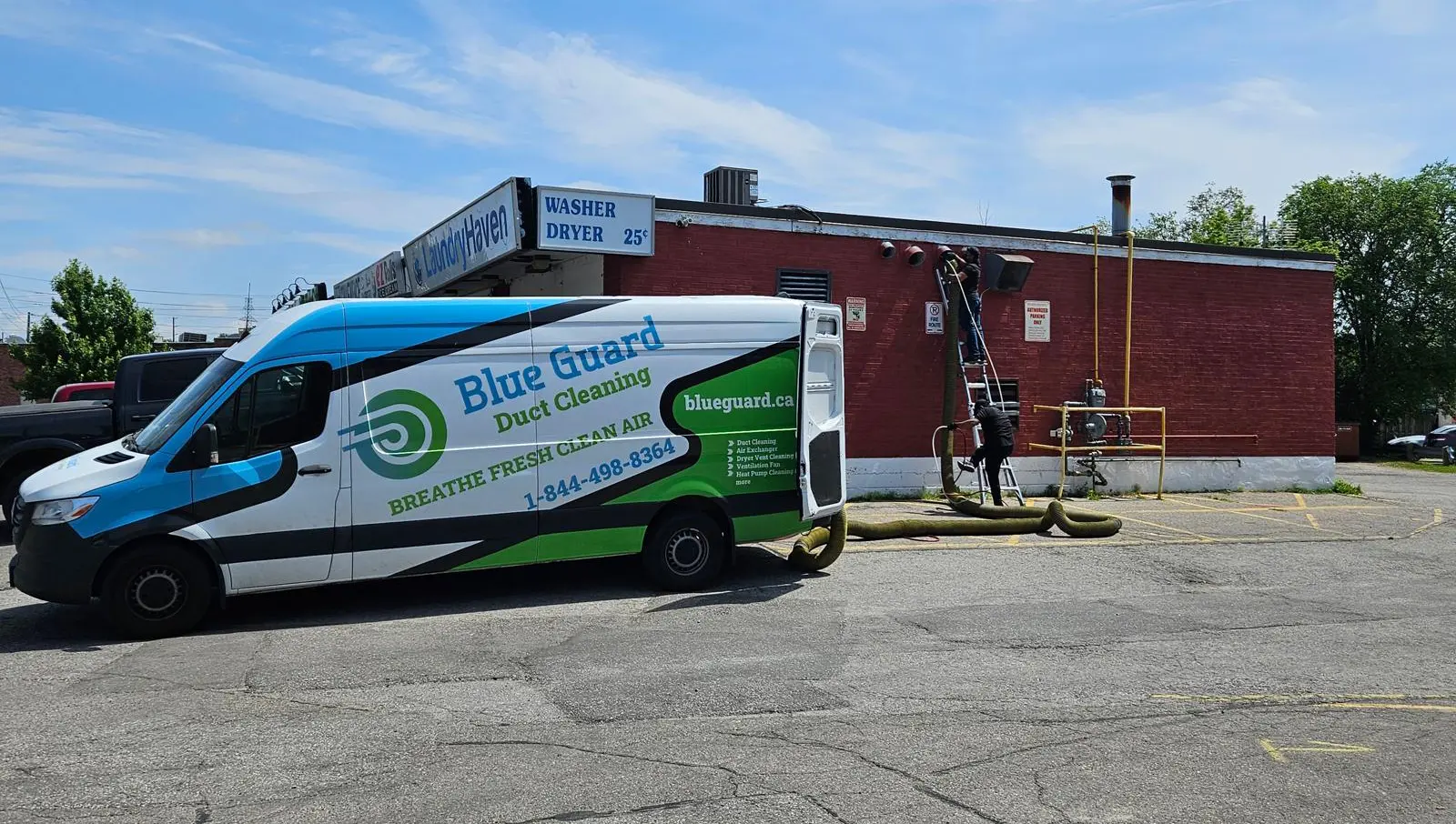
BlueGuard Car with logo

If You Feel Worse at Home Than Anywhere Else Your Ducts Could Be the Reason.


You Feel Fine at Work. You Feel Sick at Home.

You wake up with a headache. Again.

Your nose is stuffy every morning. Your eyes itch for no reason. You’re tired even after a full night’s sleep. Your kids seem to cough more at home than anywhere else.

You’ve checked everything. No mold on the walls. No new cleaning products. No obvious reason.

But there is a reason. And it’s hiding inside your walls.

Your air ducts.

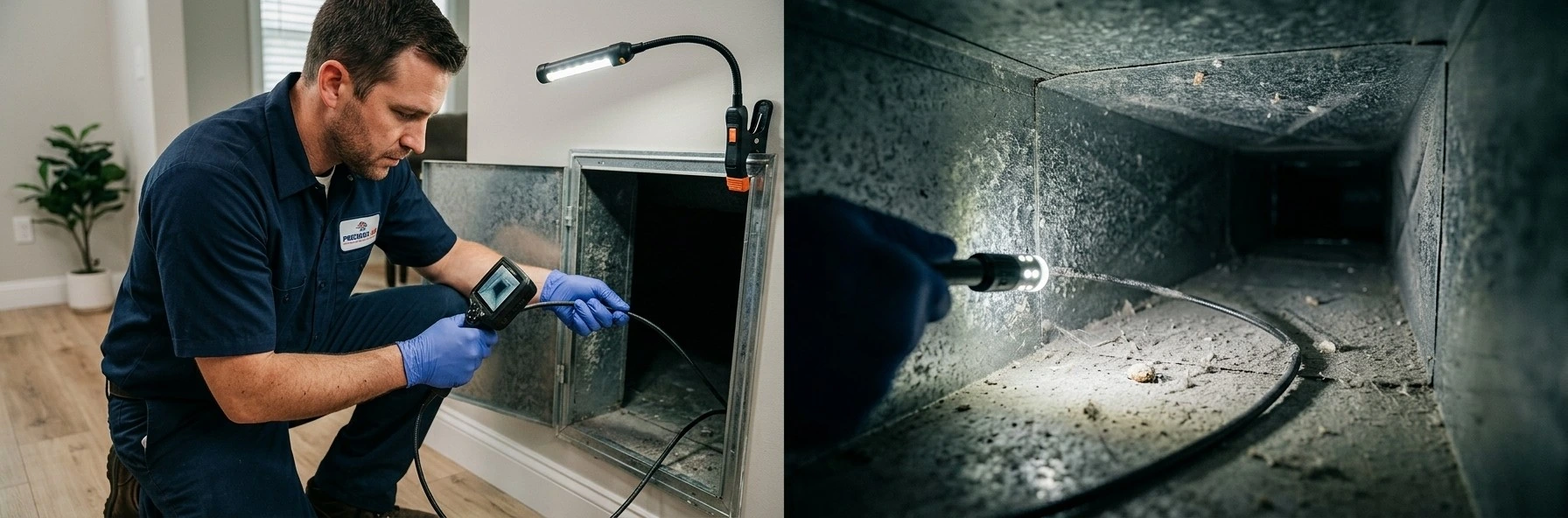
Most Canadian homeowners never think about what’s inside their ductwork. But your HVAC system pulls air from every room in your house, passes it through that ductwork, and pushes it back out — dozens of times every single day. Whatever is inside those ducts goes directly into the air you and your family breathe.

If those ducts are dirty and in most homes, they are the air you’re breathing is dirty too.


What Science Actually Says About Dirty Ducts and Health

This isn’t speculation. The research is clear.

The U.S. Environmental Protection Agency identifies indoor air pollution as one of the top five environmental health risks. Indoor air can be two to five times more polluted than outdoor air and in some cases, up to 100 times worse.

Your HVAC system is the lungs of your home. When those lungs are clogged with contaminants, every breath you take indoors carries those contaminants with it.

Here’s what the science identifies as the key health risks from dirty ductwork:


The 7 Health Problems Dirty Air Ducts Can Cause

Untitled design 5 1 Blueguard Duct Cleaning Keeping you Fresh, in Every Step
Can Dirty Air Ducts Make You Sick? The Science Behind It 3

1. Respiratory Irritation and Infections

Dust, debris, and biological contaminants in dirty ducts trigger inflammation in your airways. The result is persistent throat irritation, dry cough, nasal congestion, and increased susceptibility to respiratory infections like bronchitis and sinusitis.

For otherwise healthy adults, these symptoms are annoying. For children, the elderly, or anyone with a compromised immune system they can be serious.

2. Allergic Reactions

Your ductwork is a perfect storage system for allergens. Dust mites, pet dander, pollen, and mold spores settle into duct walls and accumulate over years. Every time your HVAC runs, these allergens get stirred up and pushed into your living spaces.

Common symptoms include:

  • Sneezing and runny nose indoors
  • Itchy, watery, or red eyes
  • Skin rashes or hives with no identified cause
  • Worsening symptoms in spring and fall when pollen season overlaps with heavy HVAC use

The key indicator: your allergy symptoms improve significantly when you leave the house and return when you come back.

3. Asthma Flare-Ups

For the millions of Canadians living with asthma, dirty air ducts are a known trigger. Dust mites alone are one of the most common asthma triggers in indoor environments.

When contaminated air circulates continuously through your home, asthma sufferers face a constant barrage of triggers often without realizing the source. If your asthma seems harder to control at home than at work or outdoors, your ductwork deserves serious attention.

4. Mold-Related Illness

Mold spores are microscopic. They travel easily through your duct system and land on every surface in your home including inside your lungs.

Exposure to mold spores causes a range of health effects depending on the type of mold and the person’s sensitivity:

  • Mild reactions: stuffy nose, sore throat, skin irritation
  • Moderate reactions: persistent coughing, wheezing, worsening asthma
  • Severe reactions (rare): hypersensitivity pneumonitis a serious lung condition caused by repeated exposure to mold spores

Certain mold species including Stachybotrys (black mold) produce mycotoxins that cause neurological symptoms, chronic fatigue, and in severe cases, organ damage.

If your ductwork has moisture issues common in Canadian homes with long winters and humid summers — mold is not a maybe. It’s a probability.

5. Headaches and Cognitive Fog

Repeated exposure to poor indoor air quality particularly from volatile organic compounds (VOCs), carbon particulates, and biological contaminants trapped in duct debris is linked to persistent headaches, difficulty concentrating, and mental fatigue.

If you regularly feel foggy or headachy at home but clear-headed after spending time outside or in a different building indoor air quality is a likely factor.

This effect is sometimes called Sick Building Syndrome when it occurs in commercial settings. But it happens in homes too and dirty ducts are one of the primary causes.

6. Fatigue and Disrupted Sleep

Poor air quality affects sleep quality in ways most people never connect to their environment.

Breathing contaminated air during sleep keeps your respiratory system in a mild state of irritation all night. Your body works harder to filter what you’re inhaling. The result is sleep that doesn’t feel restorative — you wake up tired, even after eight hours in bed.

Children are particularly vulnerable to sleep disruption from poor indoor air quality. If your child seems perpetually tired or restless at night without a clear cause, it’s worth investigating your home’s air quality.

7. Skin Irritation and Eczema Flare-Ups

Dust mites and mold spores don’t just affect your respiratory system. They’re also well-documented triggers for eczema and general skin irritation especially in children.

If a family member has unexplained skin rashes, persistent dry skin, or eczema that flares up at home but improves elsewhere, airborne allergens from dirty ducts may be contributing.


Untitled design 8 1 Blueguard Duct Cleaning Keeping you Fresh, in Every Step
Can Dirty Air Ducts Make You Sick? The Science Behind It 4

Who Is Most at Risk in Your Home?

Dirty air ducts affect everyone but some people are far more vulnerable than others:

Children

Children breathe faster than adults relative to their body weight meaning they inhale more air, and more contaminants, per hour. Their immune and respiratory systems are still developing, making them more susceptible to both immediate symptoms and long-term effects from repeated exposure.

Elderly Family Members

Aging reduces immune function and respiratory resilience. Elderly residents in a home with dirty ducts are at significantly higher risk of respiratory infections and may take longer to recover from symptoms caused by poor air quality.

People with Asthma or Allergies

Anyone with a pre-existing respiratory or allergic condition is disproportionately affected by airborne contaminants. For these individuals, clean ducts aren’t a luxury they’re a medical necessity.

Infants

Babies spend most of their time indoors, close to the floor where settled particles are heaviest. Their developing lungs are highly sensitive to airborne contaminants of all types.

People with Weakened Immune Systems

Anyone undergoing chemotherapy, living with autoimmune conditions, or recovering from illness is at elevated risk from the bacterial and fungal contaminants that accumulate in dirty ductwork.


How to Tell If Your Ducts Are Making You Sick

The challenge with duct-related illness is that the symptoms headaches, fatigue, congestion, coughing look exactly like dozens of other conditions. Doctors rarely ask about HVAC maintenance.

Here are the clearest indicators that your ducts are the source:

The location test: Symptoms are noticeably worse at home than in other environments. They improve when you spend extended time away on vacation, at work, visiting family.

The seasonal overlap: Symptoms worsen in winter and summer when your HVAC runs most heavily, and improve in spring and fall when windows are open.

The whole-family pattern: Multiple people in the household experience similar symptoms with no shared external cause suggesting a shared indoor environmental factor.

The visual check: You see dust blowing from vents when the system kicks on. Vent covers have grey or black buildup around the edges. Dust settles on surfaces faster than it should.

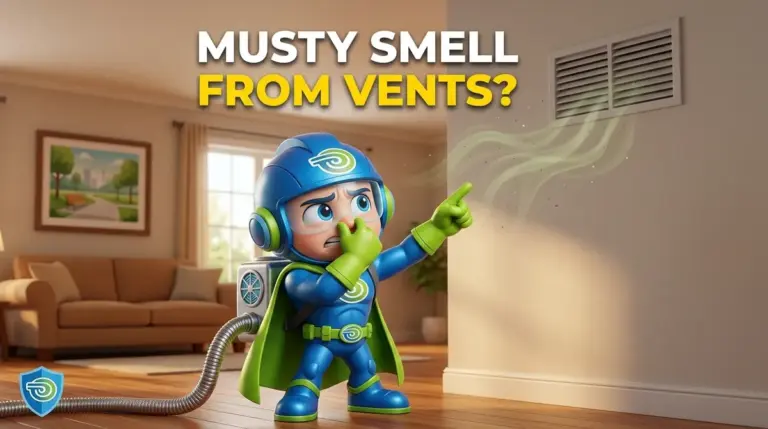
The smell test: A musty, stale, or earthy smell comes from vents especially when the system first starts up.

If more than two of these apply to your home your ducts need to be inspected and cleaned.


What’s Actually Inside Dirty Air Ducts

To understand the health risk, you need to understand what accumulates in ductwork over time:

ContaminantHealth Effect
Dust mitesAllergies, asthma, eczema
Mold sporesRespiratory illness, fatigue, neurological effects
Pet danderAllergies, asthma, skin irritation
PollenSeasonal allergy symptoms year-round
BacteriaRespiratory infections, sinusitis
VOCs from building materialsHeadaches, cognitive fog, nausea
Carbon particulatesRespiratory irritation, cardiovascular stress
Pest debrisAllergies, infections
Insulation fibresRespiratory irritation, skin irritation

Most homes have multiple contaminants present simultaneously — creating a compound effect that’s harder on your body than any single contaminant alone.


Can Cleaning Your Ducts Actually Fix the Problem?

Yes, with an important qualification.

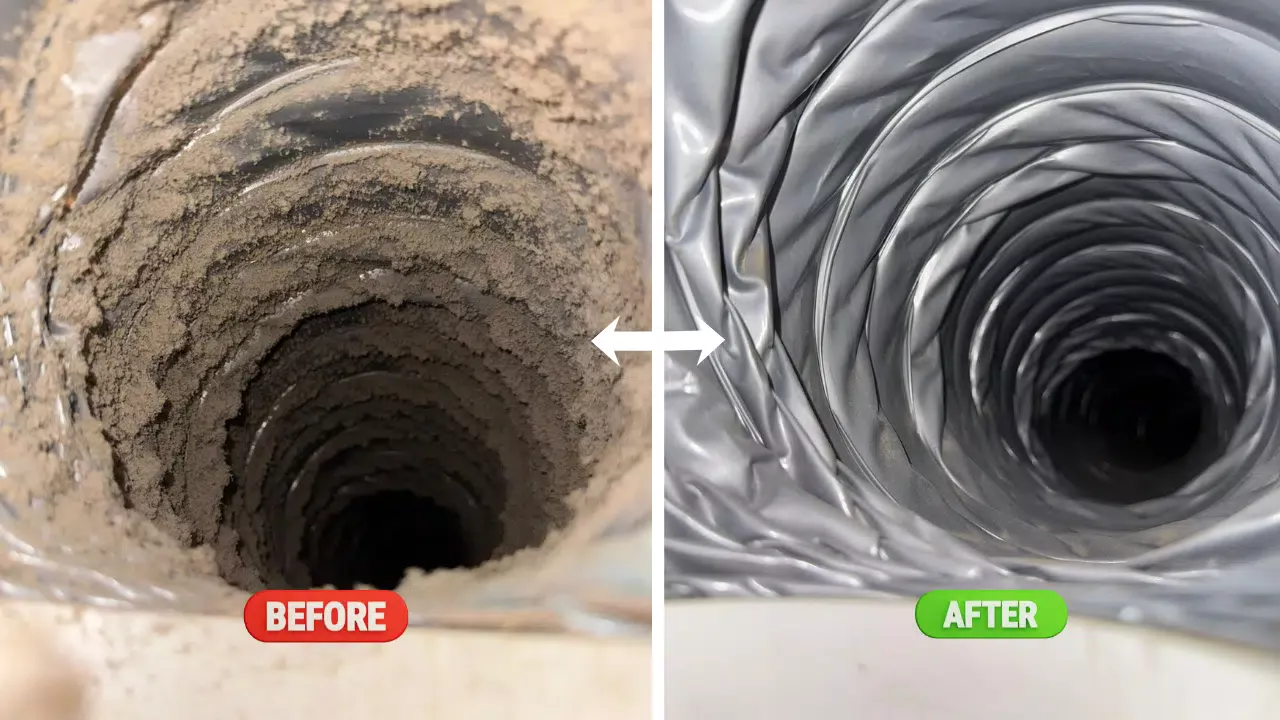
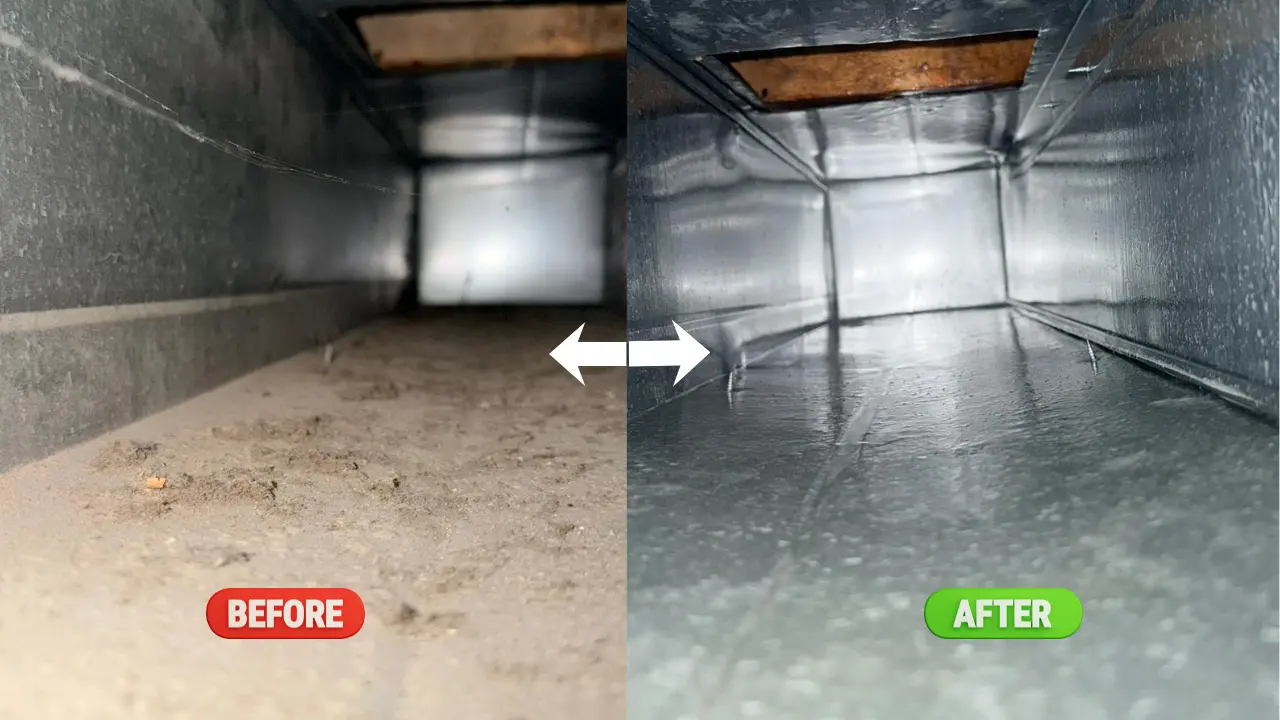
Professional duct cleaning removes the accumulated contaminants from your duct system. It doesn’t just push them around it extracts them using high-powered negative air pressure equipment that pulls debris out of the system entirely.

After a proper professional cleaning by a NADCA-certified company like BlueGuard:

  • The contaminant load in your ductwork drops dramatically
  • Airflow improves your system pushes cleaner air more efficiently
  • Allergen levels in your home air decrease measurably
  • Mold spore counts drop especially when paired with antimicrobial treatment
  • Most people notice an improvement in symptoms within days to weeks

The qualification: if there’s an active mold source, a pest infestation, or a structural moisture problem contributing to your air quality issues duct cleaning addresses the symptom but not the root cause. BlueGuard will identify these issues during the inspection and recommend appropriate next steps.


How BlueGuard Protects Your Family’s Health

BlueGuard doesn’t just clean your ducts. We remove the health hazard living inside your walls.

Our NADCA-certified process uses commercial truck-mounted vacuum equipment that generates far more suction than portable machines extracting contaminants from the full length of your duct system, not just the visible sections near vents.

For homes with confirmed mold or persistent biological contamination, we apply an EPA-approved antimicrobial treatment that kills remaining mold spores and bacteria and prevents regrowth.

Every cleaning ends with a written report so you know exactly what was found and what was done.

BlueGuard serves:

  • Ottawa and all surrounding neighbourhoods
  • Gatineau Hull, Aylmer, Buckingham, and area
  • Montreal, Laval, and Longueuil
  • Oshawa, Whitby, Ajax, and the Durham Region

Stop Guessing. Start Breathing Better.

If your family is experiencing symptoms that improve outside the home — don’t spend another season wondering why.

One phone call to BlueGuard starts the process. We inspect, we clean, and we give you a home that’s genuinely healthier to live in.

📞 Call 1-844-498-8364 📧 sales@blueguard.ca 🌐 blueguard.ca

Free quote. Fast scheduling. NADCA-certified service across Canada.


Frequently Asked Questions

Can dirty air ducts really make you sick?

Yes. Dirty air ducts accumulate dust mites, mold spores, pet dander, bacteria, and allergens that get recirculated through your home every time your HVAC runs. These contaminants are linked to respiratory illness, allergies, asthma flare-ups, headaches, fatigue, and skin irritation especially in children and the elderly.

How do I know if my ducts are making me sick?

The clearest sign is that your symptoms congestion, headaches, fatigue, coughing are noticeably worse at home than in other environments and improve when you spend extended time away. Other indicators include dust blowing from vents, musty smells when the HVAC runs, and multiple family members experiencing similar unexplained symptoms.

Can dirty ducts cause headaches?

Yes. VOCs, carbon particulates, and biological contaminants trapped in duct debris are linked to persistent headaches and cognitive fog. If you regularly feel headachy at home but better when you leave indoor air quality is a likely factor.

Are children more affected by dirty air ducts than adults?

Yes. Children breathe faster relative to their body weight, inhaling more airo and more contaminants per hour. Their developing immune and respiratory systems are more vulnerable to the effects of airborne allergens, mold spores, and dust mites than healthy adults.

Does duct cleaning actually improve health symptoms?

Most people notice improvement in allergy symptoms, respiratory irritation, and indoor air quality within days to weeks of a professional duct cleaning. The improvement is most dramatic in homes that haven’t been cleaned in 5 or more years and in households with pets, allergy sufferers, or young children.

How often should ducts be cleaned for health reasons?

NADCA recommends every 3 to 5 years for most homes. Households with allergy or asthma sufferers, pets, young children, or elderly residents should clean every 2 to 3 years. If anyone in your home has unexplained health symptoms that worsen indoors have your ducts inspected immediately regardless of when they were last cleaned.

Can mold in ducts cause serious illness?

Yes. Certain mold species produce mycotoxins that cause neurological symptoms, chronic fatigue, and in severe cases, serious organ effects. Even common mold species cause persistent respiratory symptoms, worsening asthma, and immune system stress with repeated exposure. If mold is confirmed in your duct system, professional cleaning with antimicrobial treatment is essential.

Does BlueGuard test for mold before cleaning?

BlueGuard performs a visual inspection of your duct system before cleaning and will identify visible mold growth. For confirmed mold cases, we recommend professional mold testing and apply antimicrobial sanitization treatment as part of the cleaning process.

Are you worried about the cleanliness of your space?

Let us help you! Cleaning services are our specialty, and we offer a complete range of cleaning and maintenance services. Get a free estimate!

Leave a Reply

Your email address will not be published. Required fields are marked *

BG
4.9

Get a Free Quote

This field is for validation purposes and should be left unchanged.
Name(Required)
City(Required)
Service Area
Get a Quote