



Your Home Is Sealed Tight for 6 Months. Here’s What That Does to the Air Inside.
Winter in Ottawa Is Beautiful Until You’re Stuck Breathing the Same Air for Six Months
The first snowfall hits. You close the windows. You crank up the furnace.
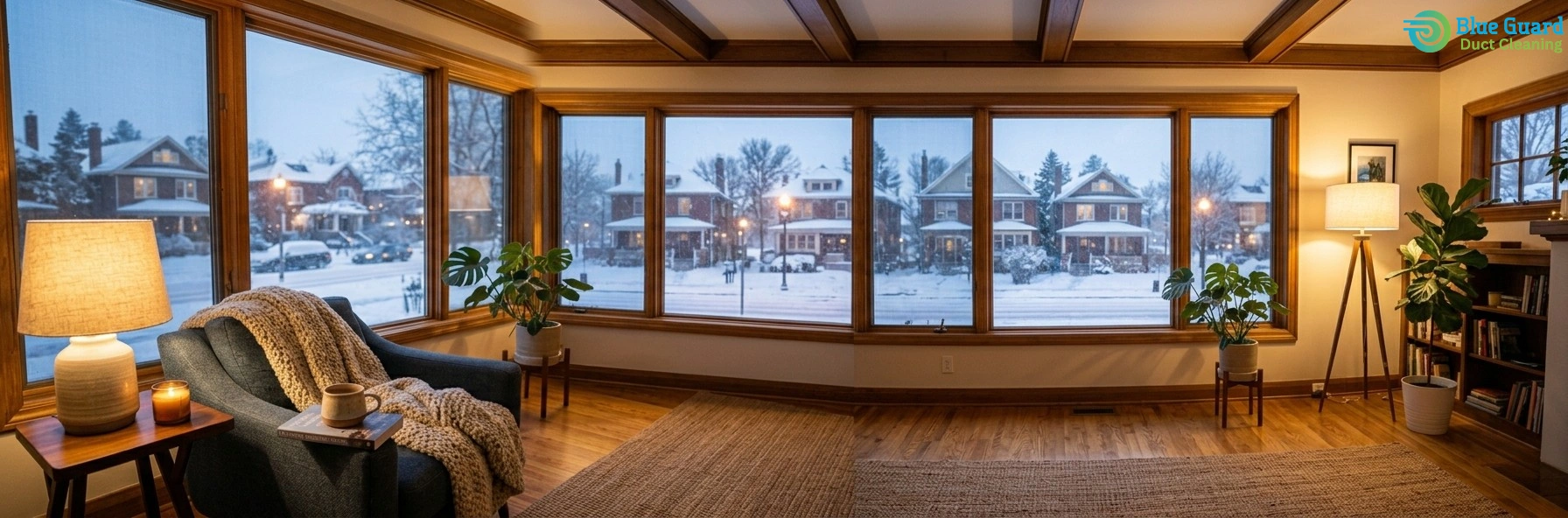
And from that moment until sometime in April your home becomes a sealed box.
No fresh air coming in. No stale air going out. Just the same air circulating through your HVAC system over and over again picking up more dust, more allergens, more mold spores, and more contaminants with every single pass.
Ottawa has one of the longest and harshest winters in Canada. Average temperatures drop to -15°C and below. Wind chills push that further. And from November through April roughly six full months most Ottawa homes are closed up tight.
That’s six months of recirculated indoor air.
Six months of your furnace running almost non-stop.
Six months of everything in your ductwork getting pushed through every room in your house dozens of times every day.
Most Ottawa homeowners don’t think about this. But your body feels it. And by February, the evidence is everywhere dry skin, stuffy noses, persistent coughs, headaches that won’t quit, and a home that somehow feels stale no matter how often you clean it.
This guide explains exactly what Ottawa’s winter does to your indoor air quality and what you can do about it before the next season locks you in again.
Why Ottawa Winters Are Uniquely Hard on Indoor Air Quality
Not every Canadian city faces the same indoor air quality challenges in winter. Ottawa’s specific combination of climate, geography, and housing stock creates conditions that are particularly harsh on the air inside your home.
The Sealing Problem
Modern Ottawa homes especially newer builds in Barrhaven, Kanata, Stittsville, and Orleans are built to be energy efficient. That means excellent insulation, tight vapour barriers, triple-pane windows, and very little uncontrolled air exchange with the outdoors.
This is great for your heating bill. It’s terrible for your indoor air quality.
A well-sealed home traps everything inside. Every particle of dust. Every mold spore. Every volatile organic compound off-gassing from your furniture, flooring, and cleaning products. Every breath your family exhales. All of it stays inside and recirculates through your HVAC system indefinitely.
The Furnace Factor
Ottawa’s furnace season runs long often from mid-October to late April. That’s six-plus months of continuous operation for most home heating systems.
Every hour your furnace runs, it pulls air from your living spaces through your return vents, passes it through the ductwork and heat exchanger, and pushes it back out through supply vents. Whatever is in your ductwork — dust, mold, dander, debris gets distributed throughout your home with every cycle.
A furnace that runs 8 to 12 hours a day for 180 days circulates your home’s air thousands of times over a single winter. If your ducts are dirty and most Ottawa ducts are that’s thousands of cycles of contaminated air pushed through every room where your family lives, sleeps, and breathes.
The Humidity Collapse
Outdoor air in Ottawa winter is extremely dry. When that cold, dry air infiltrates your home and gets heated by your furnace, the relative humidity inside drops dramatically often to 20 to 30% during the coldest months.
This has direct health consequences:
- Dry nasal passages your nose’s first line of defence against airborne pathogens becomes less effective when it dries out
- Irritated airways dry air inflames bronchial passages, making respiratory symptoms worse
- Cracked skin low humidity dries out skin, creating micro-cracks that allow bacteria and allergens to enter
- Activated dust mites counterintuitively, dust mites thrive in the slightly higher humidity pockets that form around window edges, cold exterior walls, and basement ductwork even as the rest of the home dries out
The Condensation and Mold Risk
While indoor humidity overall drops in winter, condensation forms in specific cold spots — on window frames, in exterior wall cavities, and inside ductwork sections that run near cold exterior walls or through uninsulated spaces.
This condensation creates localized moisture pockets exactly where mold grows. And once mold establishes itself in your ductwork, your furnace distributes mold spores to every room in your home every time it runs.
Ottawa’s freeze-thaw cycles where temperatures swing above and below zero repeatedly throughout winter and spring make this worse. Each thaw-refreeze cycle can introduce new moisture into your building envelope and ductwork.
The Tracked-In Contamination
Every time someone enters your Ottawa home in winter, they bring the outside in.
Road salt used heavily on Ottawa streets from November to March gets tracked inside on boots and shoes. Salt particles dry out, break down, and become fine airborne particulates that get pulled into your return vents and distributed through your ductwork.
Vehicle exhaust particulates, ice-melting chemicals, construction dust from winter projects, and general outdoor winter debris all find their way inside and into your air system.
What Builds Up in Your Ducts Over an Ottawa Winter
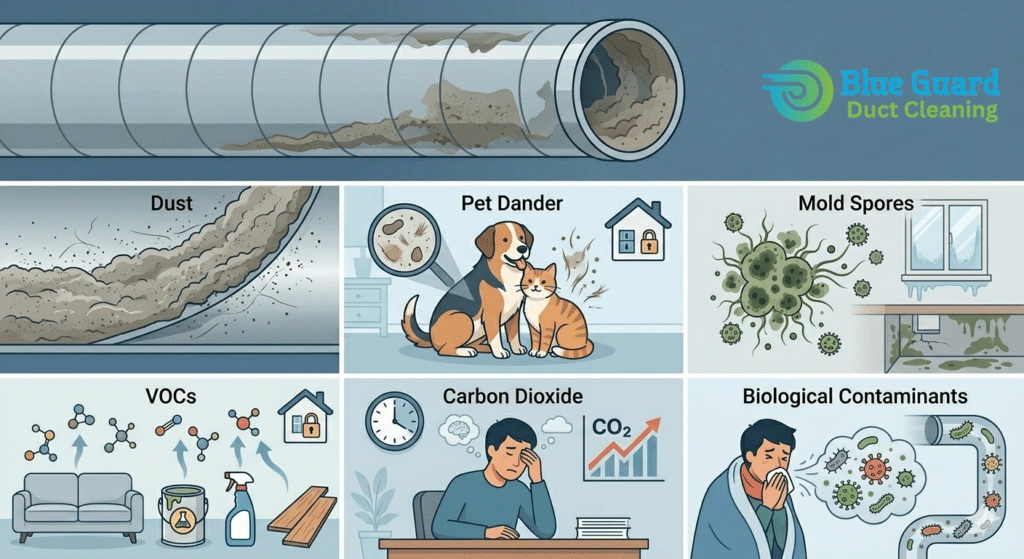
By the time spring arrives, here’s a realistic picture of what has accumulated inside your ductwork after a single Ottawa winter:
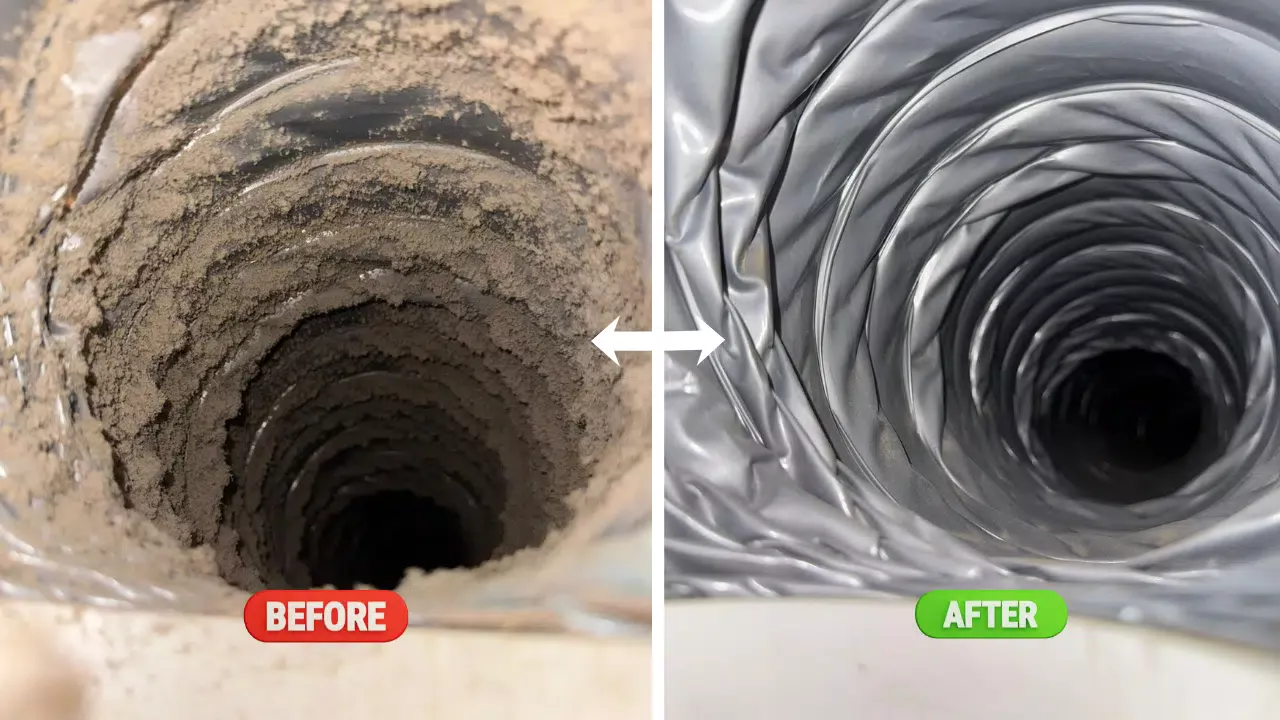
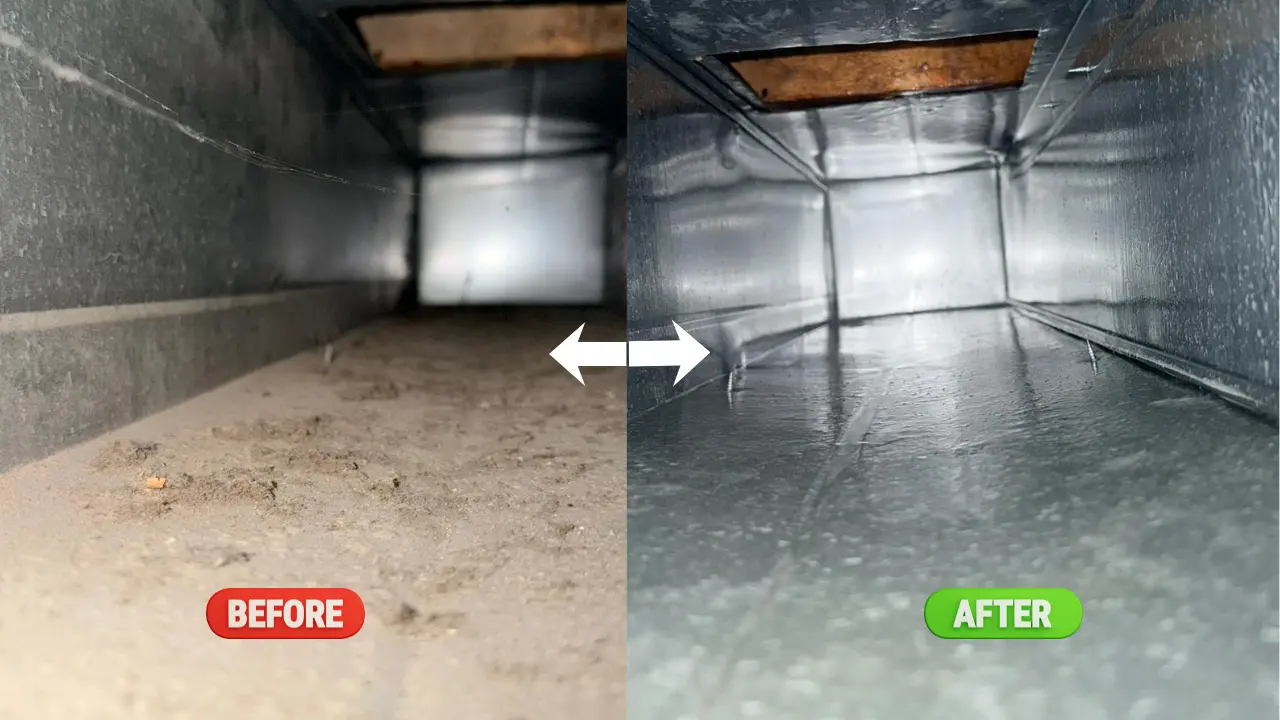
Dust and particulate matter : months of continuous furnace operation and sealed-home recirculation layers dust onto every duct wall surface. This isn’t the light dust you wipe off a shelf. It’s compacted, adhesive buildup that sticks to metal and gets harder to remove over time.
Pet dander : if you have pets, winter is the worst season for dander accumulation. Pets spend more time indoors during Ottawa winters, shedding dander continuously. With no fresh air dilution and constant recirculation, dander levels in sealed winter homes can reach 5 to 10 times higher than summer levels.
Mold spores : from condensation points in your ductwork, around windows, and in basement areas. Once established, mold produces spores continuously throughout the heating season.
Volatile organic compounds (VOCs) : from furniture, flooring, paint, cleaning products, and building materials. In a sealed winter home, VOC concentrations build up to levels significantly higher than in summer when windows are open. Many VOCs are respiratory irritants and some are classified as carcinogens with long-term exposure.
Carbon dioxide : not a duct issue specifically, but sealed winter homes see CO2 levels climb well above outdoor concentrations, contributing to the fatigue, headaches, and cognitive fog that many Ottawa residents experience through January and February.
Biological contaminants : bacteria and viruses survive longer in dry winter air and spread more easily through recirculated HVAC air in sealed homes. Ottawa’s cold and flu season isn’t just about outdoor exposure — it’s amplified by the indoor air conditions winter creates.
The Health Symptoms Ottawa Winters Cause and What’s Behind Them

If your family experiences these symptoms every winter your indoor air quality is likely the cause:
The Winter Cough That Won’t Leave
You don’t have a cold. But you’ve had a dry, persistent cough since December. This is a classic symptom of low indoor humidity combined with airborne irritants from dirty ductwork. Your airways are inflamed and irritated by the combination of dry air and constant low-level exposure to dust, dander, and mold spores.
Morning Stuffiness That Clears When You Go Outside
You wake up congested every morning. But by the time you’ve been outside for 20 minutes you feel fine. This pattern is one of the clearest indicators of poor indoor air quality. The air outside, even at -15°C, is cleaner than the recirculated air inside your sealed winter home.
Headaches and Fatigue That Peak in January and February
The combination of elevated CO2, VOCs, and biological contaminants in sealed winter homes creates a toxic load that your body processes continuously. The result is chronic low-grade headaches, afternoon fatigue, and a general feeling of being unwell that people often attribute to “winter blues” when the real cause is the air they’re breathing.
Dry, Irritated Skin and Eyes
Low indoor humidity dries out skin and eye surfaces. Combined with airborne particulates from dirty ducts irritating mucous membranes, the result is persistent dry, red, itchy eyes and skin that no amount of moisturizer fully fixes because the source is environmental, not dermatological.
Worsening Allergies Despite No Outdoor Allergens
Spring and fall are peak allergy seasons outdoors. But many Ottawa residents find their allergy symptoms are actually worst in winter when there’s no pollen outside at all. This is almost always explained by indoor allergens dust mites, pet dander, and mold spores concentrated and continuously recirculated by a sealed winter HVAC system.
What You Can Do About It? A Winter Indoor Air Quality Action Plan
Step 1 : Get Your Ducts Professionally Cleaned Before Winter
The single most impactful thing you can do for your Ottawa home’s winter air quality is have your ductwork professionally cleaned before the heating season starts ideally in September or October, before you close the windows for good.
Starting winter with clean ducts means the air circulating through your sealed home for the next six months begins from a clean baseline not from a duct system loaded with last year’s accumulation.
Step 2 : Add Whole-Home Humidification
A whole-home humidifier installed on your furnace maintains indoor humidity at a healthy 35 to 50% throughout the winter preventing the dry air cascade that worsens respiratory symptoms, damages wood surfaces, and makes your home feel colder than it is.
Portable humidifiers help in individual rooms but can’t address whole-home humidity the way a furnace-mounted unit can.
Step 3 : Change Your Filter Every 30 to 60 Days in Winter
Your furnace filter works harder in winter than any other season. More run time means faster clogging. A clogged filter restricts airflow, forces your furnace to work harder, and allows more contaminants to pass through into your ductwork.
In Ottawa winters, check your filter monthly and replace it every 30 to 60 days not the 90-day cycle that works in milder seasons.
Step 4 : Ventilate When You Can
On milder winter days when temperatures climb above -5°C open windows briefly in different parts of the house to flush stale indoor air and bring in fresh outdoor air. Even 10 to 15 minutes of ventilation makes a measurable difference in indoor contaminant concentrations.
If your home has a heat recovery ventilator (HRV) make sure it’s set to run and that its filters are clean. An HRV is designed specifically to provide fresh air exchange without losing heat a critical system for Ottawa’s sealed-home winters.
Step 5 : Clean or Replace Your HRV Filters
Heat recovery ventilators are common in newer Ottawa homes and are your best defence against sealed-home air quality problems. But they only work properly when their filters are clean.
HRV filters should be cleaned every 3 months during the heating season more frequently in homes with pets or high occupancy.
Step 6 : Schedule a Professional HVAC Inspection in Spring
After every Ottawa winter, your HVAC system has run thousands of hours. Spring is the right time for a professional inspection checking for mold that formed during winter condensation cycles, cleaning the evaporator coil before AC season begins, and assessing whether your ductwork needs a full cleaning.
The Best Time to Book Duct Cleaning in Ottawa
The optimal window is September to October, after the summer cooling season ends and before you close your home up for winter.
This timing gives you:
- Clean ducts going into the most critical air quality season of the year
- A fresh furnace filter baseline for the heating season
- Removal of any mold that developed during summer humidity
- Peace of mind through Ottawa’s coldest months
The second-best window is March to April, after winter ends, before AC season begins. This clears out everything that accumulated through the heating season and prepares your system for summer.
BlueGuard Ottawa’s Winter Air Quality Experts
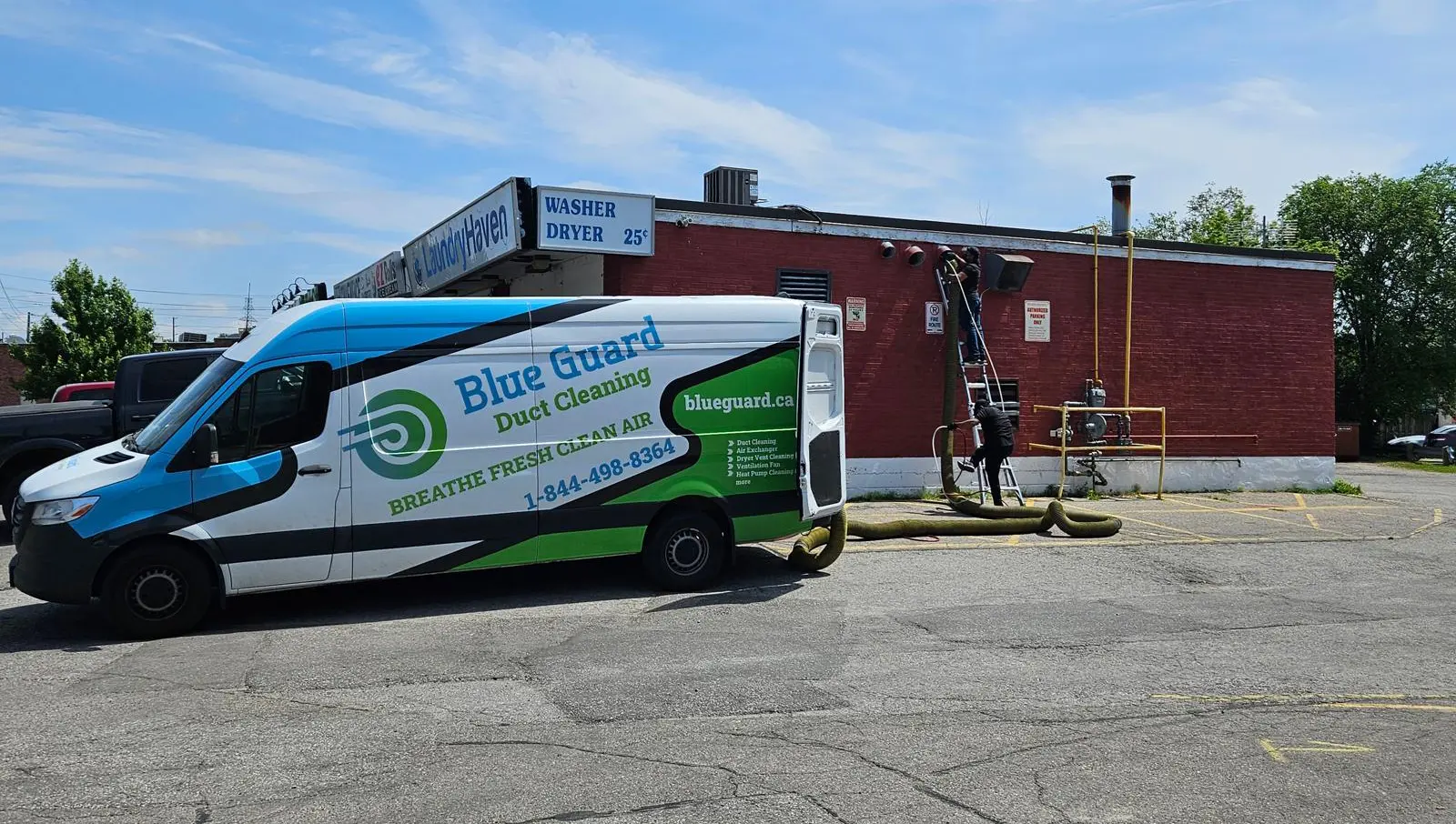
BlueGuard is NADCA-certified and has helped hundreds of Ottawa homeowners breathe cleaner air through Canada’s harshest winters in Barrhaven, Kanata, Orleans, Nepean, Centretown, Westboro, Stittsville, and across the National Capital Region.
We understand Ottawa’s housing stock, Ottawa’s climate, and the specific air quality challenges that come with six months of sealed-home winter living.
What BlueGuard delivers for Ottawa homeowners:
- ✅ NADCA-certified technicians
- ✅ Truck-mounted commercial vacuum equipment
- ✅ Full duct cleaning every supply and return line
- ✅ Blower motor and evaporator coil cleaning
- ✅ Mold inspection and antimicrobial treatment available
- ✅ HRV filter cleaning available
- ✅ Dryer vent cleaning available
- ✅ Bilingual service English and French
- ✅ Transparent upfront pricing
- ✅ Written service report after every job
- ✅ Fast scheduling across Ottawa and Gatineau
Don’t Wait Until You’re Already Sick
Ottawa winter is coming whether you’re ready or not.
The difference between a winter of dry coughs, morning stuffiness, and persistent headaches and a winter of genuinely clean, comfortable indoor air often comes down to one thing: the condition of your ductwork before you close the windows.
Book your BlueGuard cleaning now. Beat the fall rush. Start winter with clean air.
📞 Call 1-844-498-8364 📧 sales@blueguard.ca 🌐 blueguard.ca
Free quote. Fast scheduling. Ottawa’s trusted NADCA-certified duct cleaning team.
Frequently Asked Questions
How does Ottawa’s winter affect indoor air quality?
Ottawa winters seal homes tight for up to six months, trapping dust, mold spores, pet dander, VOCs, and other contaminants inside with no fresh air dilution. Your furnace recirculates this contaminated air continuously throughout the heating season, leading to worsening respiratory symptoms, allergies, headaches, and fatigue.
Why is indoor air quality worse in winter than summer?
In summer, open windows continuously dilute indoor contaminants with fresh outdoor air. In winter, Ottawa homes are sealed completely concentrating every airborne pollutant and recirculating it through your HVAC system indefinitely. Combined with low humidity that irritates airways, winter creates the worst indoor air quality conditions of the year.
When is the best time to get ducts cleaned in Ottawa?
The optimal time is September to October before you close your home for winter. This gives you clean ducts going into the six-month sealed heating season. The second-best window is March to April after winter ends to clear out everything that accumulated through the heating season.
Can dirty ducts cause the winter cough?
Yes. A persistent dry cough that develops in winter and improves in spring without a clear viral cause is a classic symptom of poor indoor air quality from dirty ductwork combined with low indoor humidity. Airborne dust, mold spores, and allergens from contaminated ducts inflame your airways continuously throughout the heating season.
Does an HRV help with winter air quality in Ottawa?
Yes. A heat recovery ventilator provides controlled fresh air exchange without losing heat directly addressing the sealed-home air quality problem. But an HRV only works properly with clean filters. BlueGuard recommends cleaning HRV filters every 3 months during Ottawa’s heating season.
How often should Ottawa homeowners get their ducts cleaned?
Every 3 to 5 years for most Ottawa homes. Given Ottawa’s long heating season and extended periods of sealed-home air recirculation, homes with pets, allergies, young children, or elderly residents should clean every 2 to 3 years. If symptoms worsen every winter inspect immediately.
Does BlueGuard serve all Ottawa neighbourhoods?
Yes. BlueGuard serves all Ottawa neighbourhoods including Barrhaven, Kanata, Nepean, Orleans, Gloucester, Centretown, Westboro, Glebe, Alta Vista, Stittsville, Rockcliffe, and surrounding communities including Gatineau, Hull, and Aylmer.
What is the fastest way to improve indoor air quality in an Ottawa home this winter? The three highest-impact steps are: professional duct cleaning before the heating season, installing a whole-home humidifier on your furnace, and replacing your furnace filter every 30 to 60 days through winter. Together these address the three biggest drivers of poor winter indoor air quality in Ottawa homes.